When was the last time you took a proper look at the photographs you’re using to promote your hospitality business? Not just whether they look attractive, but whether they genuinely reflect the food you serve, the atmosphere you’ve created and the experience customers can expect when they visit.
For restaurants, pubs, cafés and hotels, photography plays an important part in how a business presents itself. Before someone has even looked at the menu or stepped through the door, they may already have formed an impression based on the photographs they’ve seen online. And while smartphone cameras have made it easier than ever to create content, there’s still a place for professional photography, particularly when it comes to websites, menus and wider marketing campaigns.
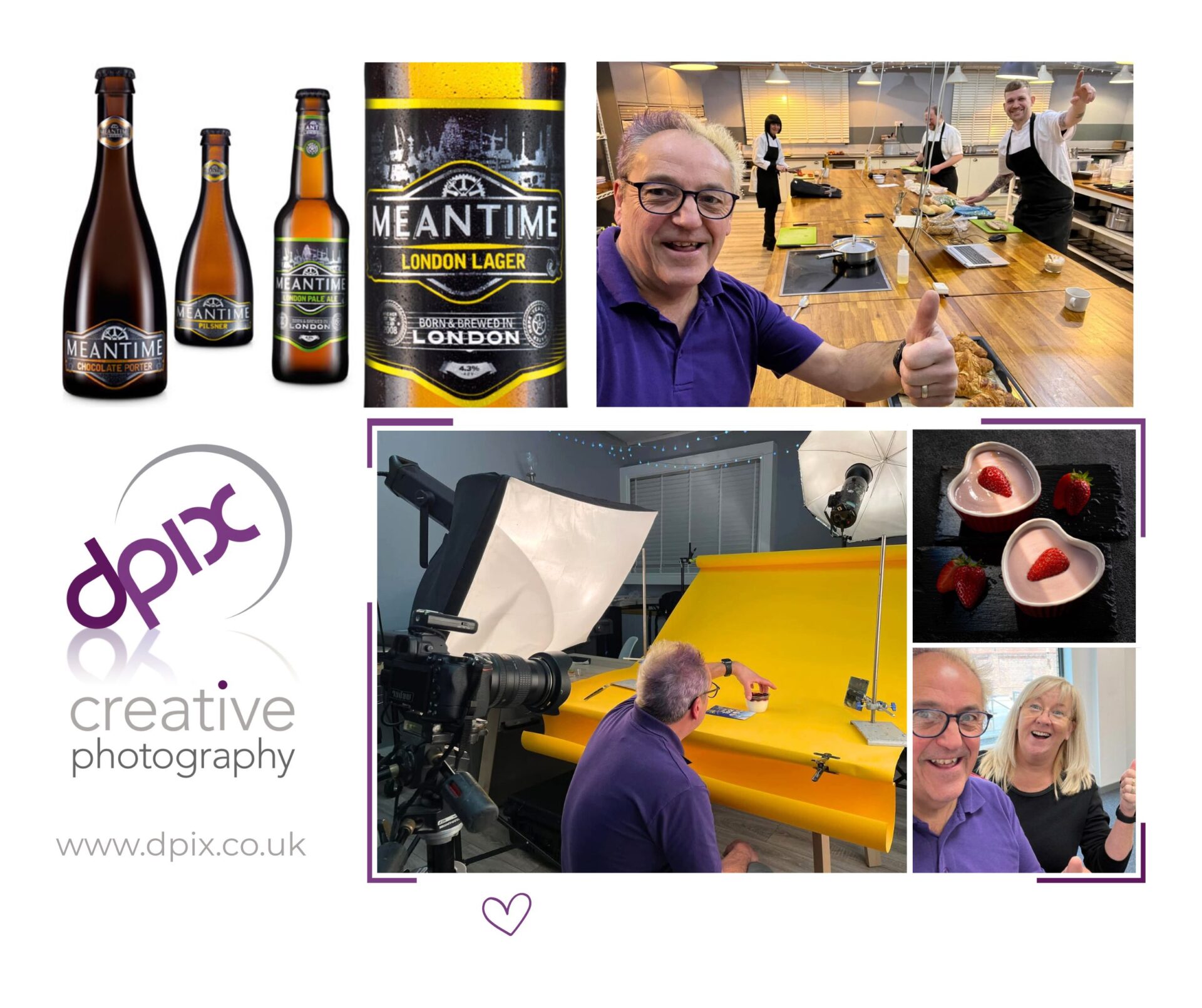
I recently caught up with Darren from Dpix Creative Photography, a Worcestershire-based commercial photography business and member of the Pershore Patty Recommended Suppliers Directory, to find out more about his experience, what happens behind the camera and what hospitality businesses should consider when choosing images to represent them.
From traditional photography to food and hospitality
Darren’s career began long before digital cameras and smartphones became commonplace. He initially worked as a photographic printer, producing prints from film negatives for professional photographers, before becoming an assistant at a leading Birmingham advertising studio. He then spent seven years working as a photographer at a commercial studio in Redditch before going on to establish his own business, Dpix Creative Photography.
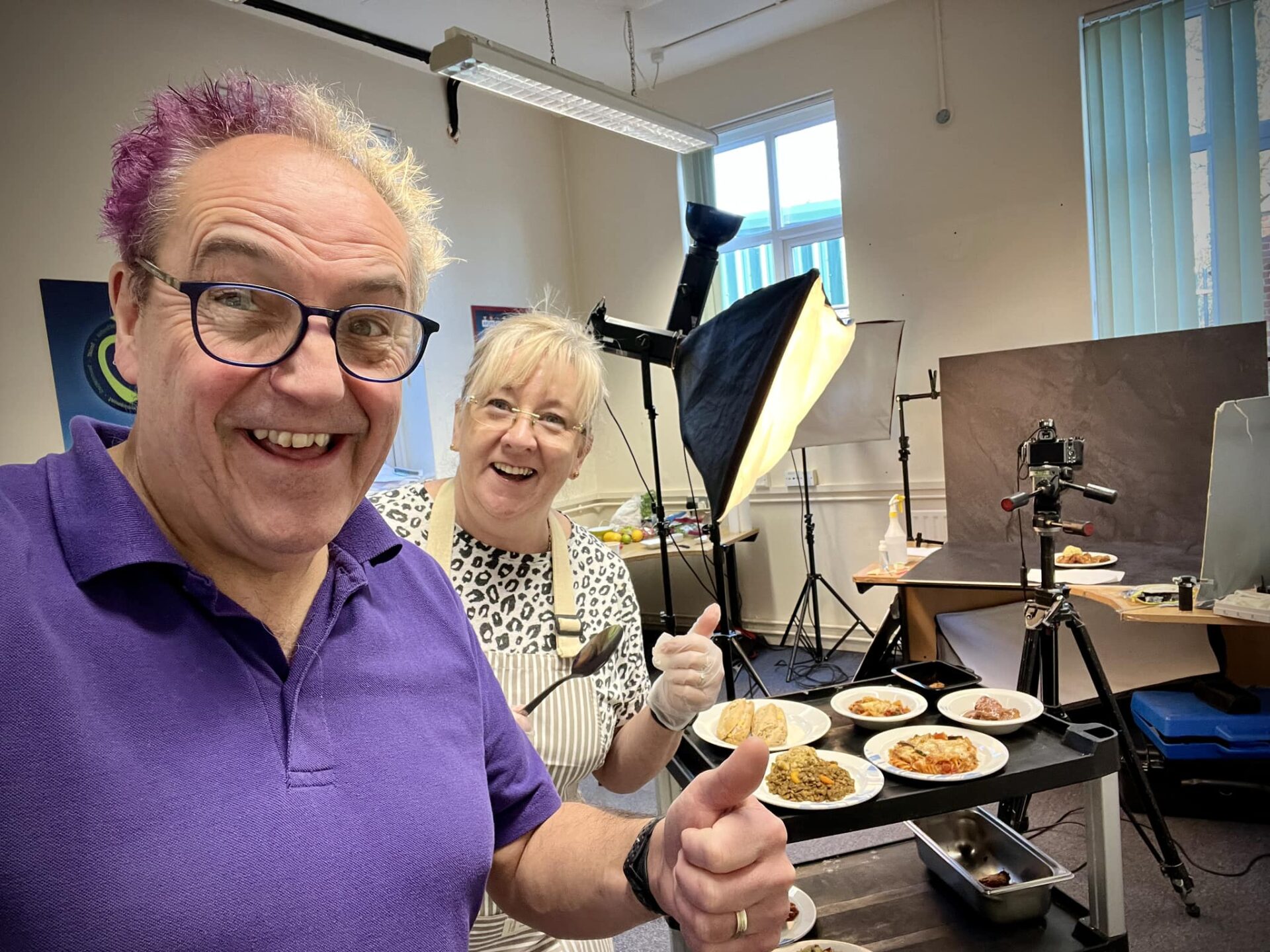
Today, Darren works alongside Julie, bringing more than 60 years of combined professional experience to the business. Based near M5 Junction 5 in Worcestershire, Dpix works with clients locally and nationally, providing photography for everything from food and hospitality to commercial products and marketing campaigns.
Although Darren has worked across many areas of commercial photography, food has become a particular interest. A regular client has taken him around the country photographing food in a variety of settings, including a memorable assignment at the top of the Barclays building in Canary Wharf, where he photographed high-end dishes prepared for the board of directors.
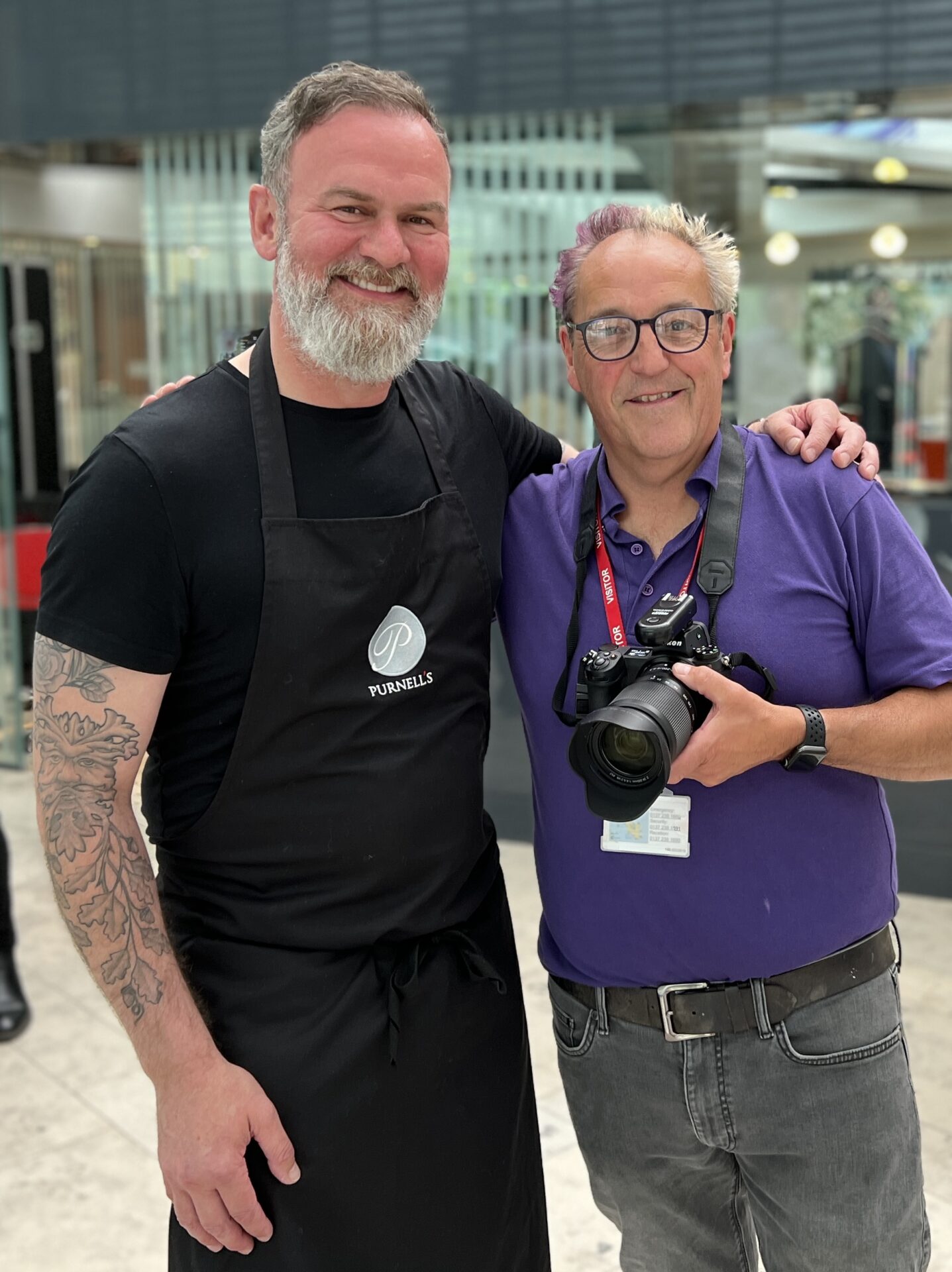
Other projects have included photographing the visitor experience at Birmingham Hippodrome and working alongside Birmingham chef Glynn Purnell, with whom Darren recalls enjoying some friendly football banter as supporters of rival Midlands teams.
These experiences helped develop his interest in food photography, encouraging him to invest in additional equipment and styling materials while learning from the chefs he worked alongside.
What really happens behind the camera?
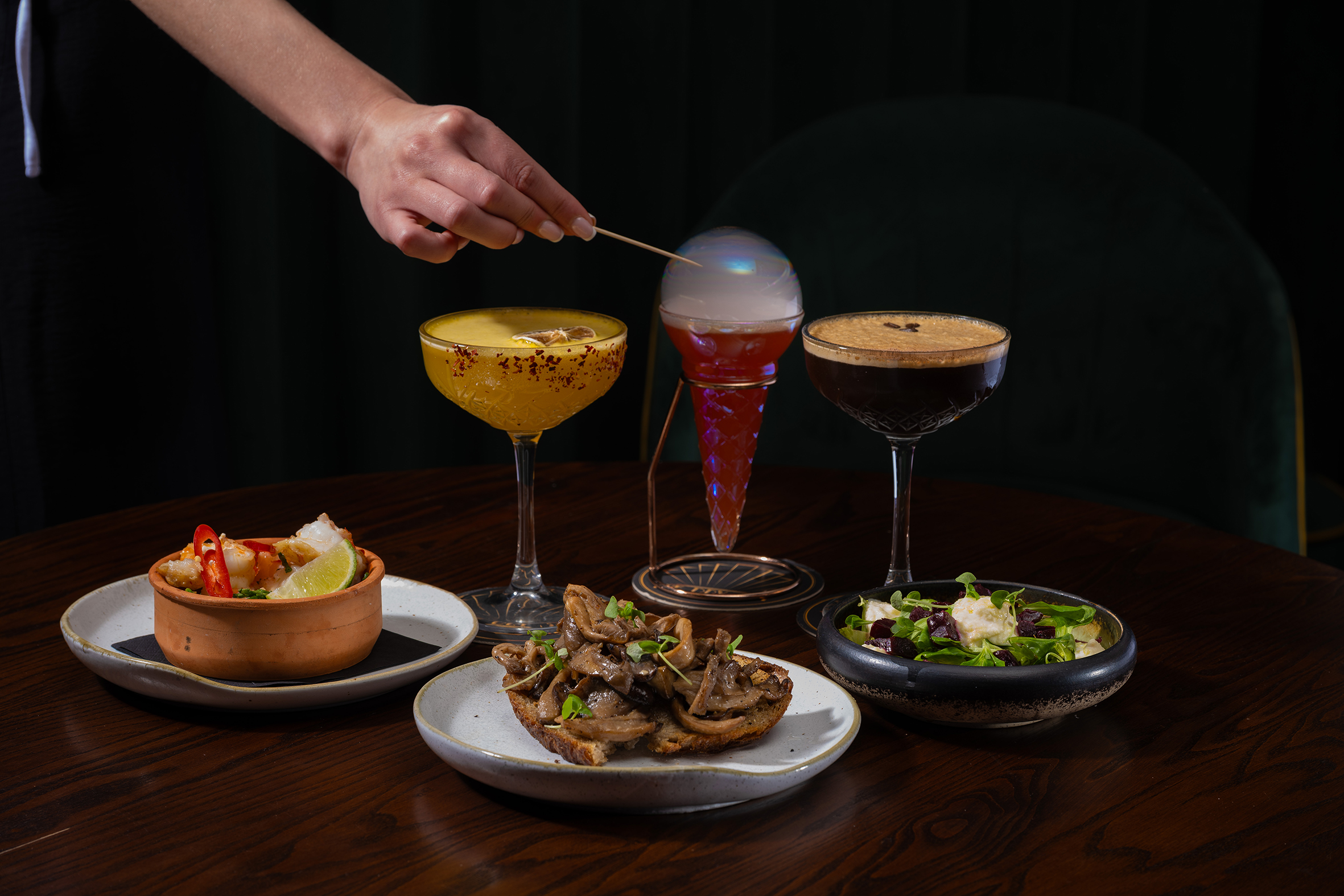
Food photography is something many of us attempt regularly, particularly when we’re eating out. I’ll certainly put my hand up to taking plenty of photographs of dishes before I’ve had a chance to eat them! But there’s quite a difference between quickly capturing something that looks appealing and planning a professional photograph for a restaurant’s website or marketing campaign.
One of the first things Darren considers when approaching a shoot is how the images will eventually be used. A restaurant looking for photographs of its new seasonal menu might need something very different from a hotel wanting to communicate the atmosphere of its dining room, or a food producer preparing images for packaging and advertising.
Even the format needs consideration. Darren explains that a wide banner image might work beautifully across the homepage of a website on a desktop computer but be completely unsuitable when viewed on a mobile phone. Knowing where the images will appear allows him to plan the composition accordingly.
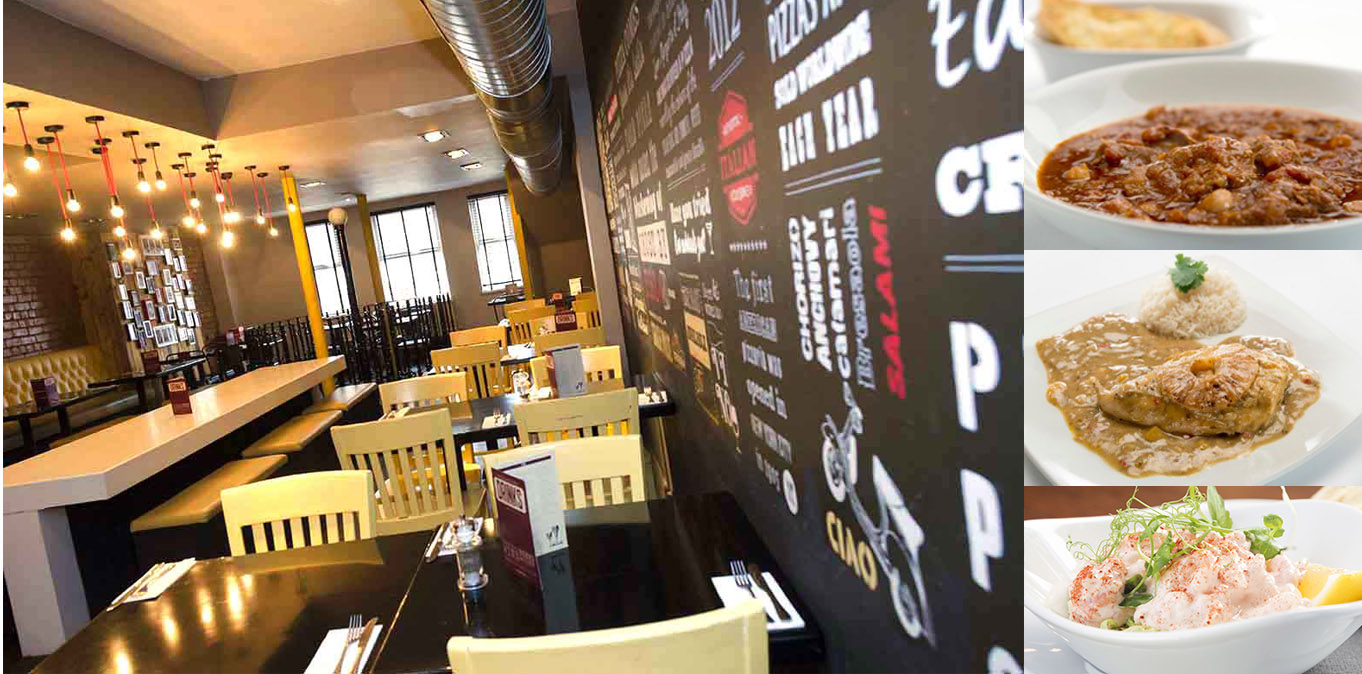
Lighting is another major consideration, and something Darren feels strongly about. It’s not simply about making sure the subject is bright enough to see, but about creating the right atmosphere and ensuring the photograph reflects the business. A restaurant with an intimate, softly lit dining room wouldn’t necessarily benefit from photographs that make it look as though it’s flooded with bright sunshine. Equally, a light, airy café might not benefit from the darker, moodier style of photography that has become popular in some areas of hospitality marketing.
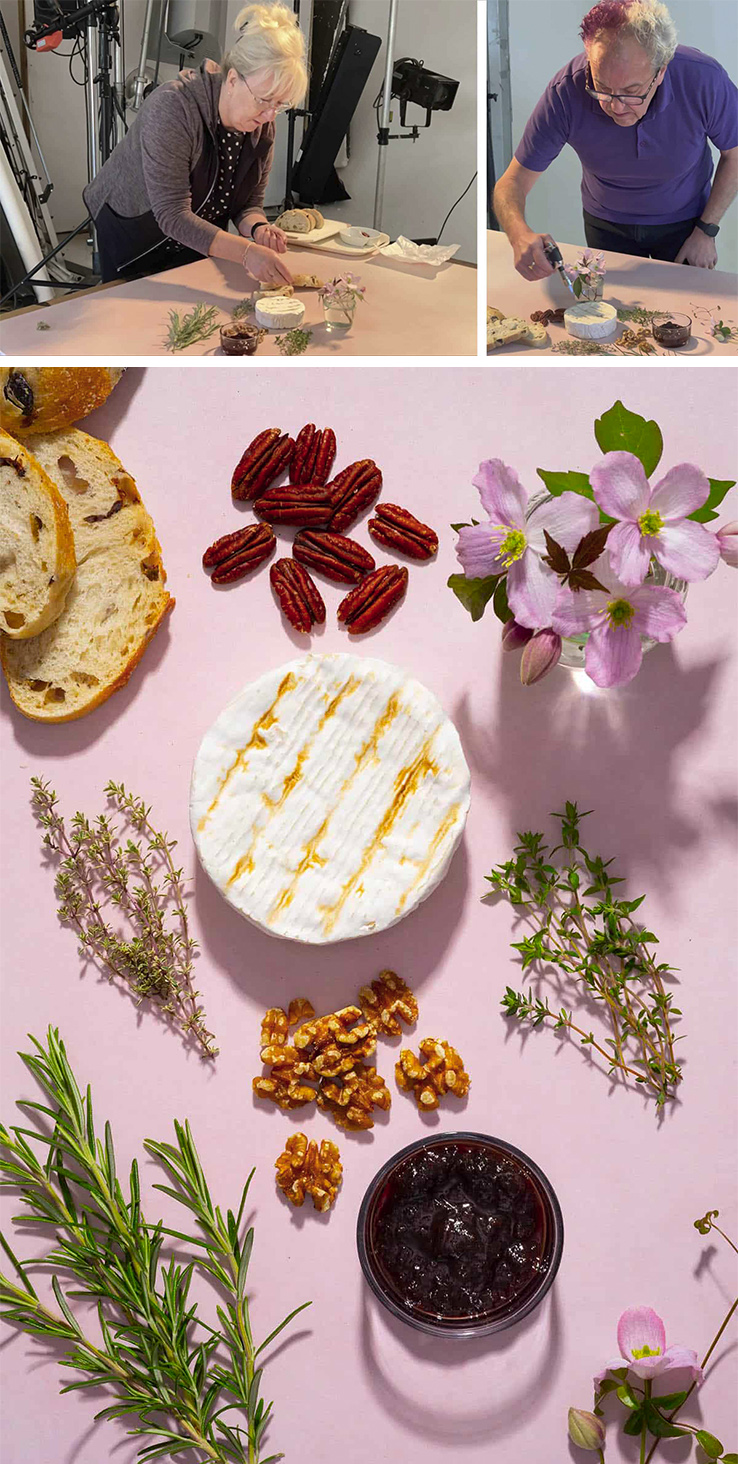
Food presents its own challenges, particularly because the window of time in which a dish looks its best can be surprisingly short. Ingredients can change appearance quickly once they’ve been cooked or plated, and Darren explains that certain elements may be prepared slightly differently for a shoot to help them retain their colour, shape or texture in front of the camera.
Something as delicate as a pale soup, for example, can be difficult to photograph because its subtle colours and textures don’t always translate particularly well into an image. Similarly, the appearance of meat, vegetables and other ingredients can change within minutes, meaning preparation, timing and styling all become important parts of the process.
While some adjustment can be necessary to help food photograph well, Darren is also conscious that the finished images need to remain representative of what customers will actually receive. Portion sizes and presentation are particularly important, especially when someone might be choosing a restaurant or deciding what to order based on the photographs they’ve seen.
It’s a balance between making a dish look as appealing as possible and ensuring the photograph doesn’t create expectations that the real experience won’t meet.
Photographing the whole hospitality experience
Of course, food is only one part of what makes a hospitality business appealing. The surroundings, the team and the atmosphere all contribute to the experience, and Darren believes these elements deserve just as much consideration as the dishes themselves.
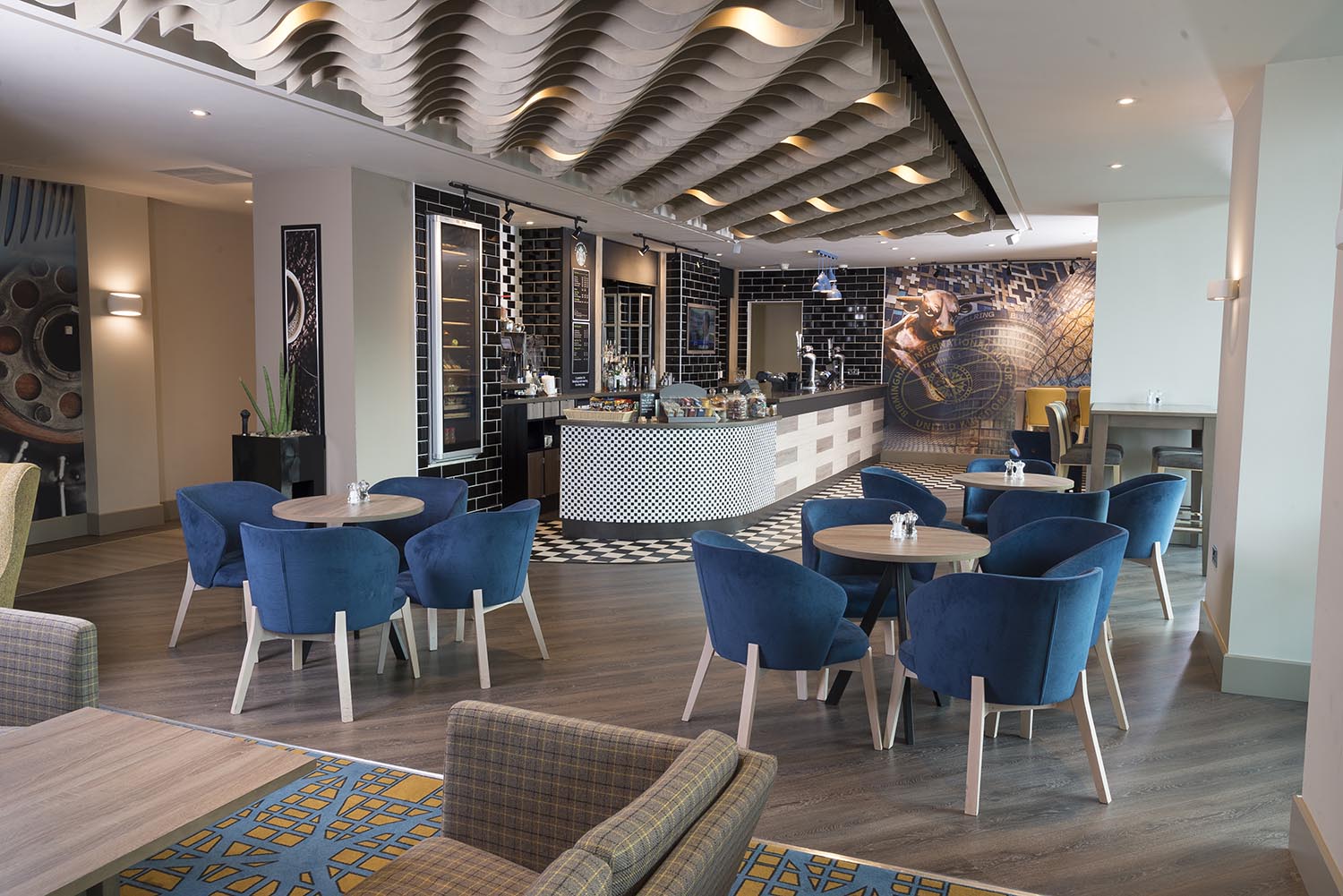
When photographing interiors, lighting again plays an important role. Too much can remove the atmosphere from a room, while too little can leave areas looking dark and uninviting. He also points out that an empty dining room doesn’t always communicate the same sense of warmth or energy as a space with people in it.
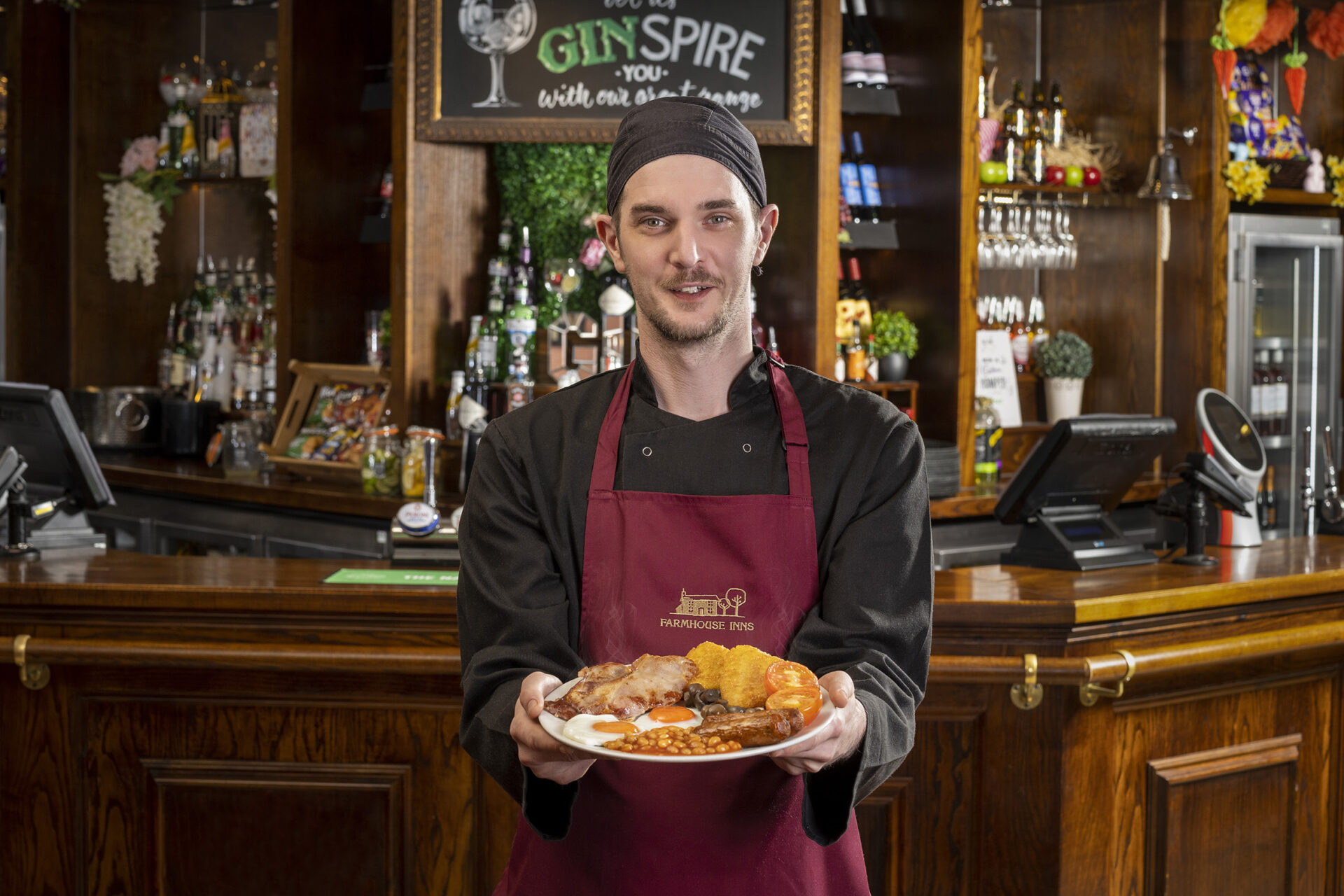
Including staff, guests or a little movement can help bring a photograph to life and give potential customers a better understanding of what visiting the venue might feel like.
I think this is particularly relevant for independent hospitality businesses, where the people and personality of a venue are often a large part of its appeal. Customers might be drawn in by the food, but the atmosphere, the welcome and the way they’re looked after can be just as important in determining whether they return.
Professional photography versus smartphone content
With smartphone cameras improving considerably over recent years, I was interested to hear Darren’s thoughts on whether professional photography is still necessary for hospitality businesses, particularly when so much content is now created for social media.
His response was refreshingly balanced. He acknowledges that smartphones can produce excellent results, especially when the lighting is favourable and someone takes the time to consider how they’re capturing an image. There are also occasions when something happens unexpectedly and taking a photograph there and then is far more useful than trying to arrange a professional shoot.
For businesses sharing regular updates, behind-the-scenes moments or something happening during service, smartphone photography can be exactly what’s needed. Not every photograph has to be carefully planned or professionally lit, and sometimes it’s the more spontaneous content that gives people an insight into the personality of a business.
Where Darren sees professional photography adding particular value is in creating a planned collection of images for specific purposes. A website, menu or advertising campaign might require consistent lighting, particular image formats or photographs that can be used across several different marketing channels.
He also explained that commercial shoots are increasingly being planned with multiple uses in mind. Alongside more traditional, carefully lit photographs, clients may want additional informal images for social media or short video clips that can be used in reels. Provided these requirements are discussed in advance, Dpix can prepare to capture different types of content during the same session.
Rather than viewing smartphone and professional photography as competing approaches, it seems more sensible to recognise that they serve different purposes. For many hospitality businesses, a combination of both is likely to be the most practical approach
The little details that make a difference
One of the most useful things Darren mentioned during our conversation was how often the smallest details can affect the quality of a photograph. These aren’t necessarily things that require professional equipment or specialist knowledge, either.
A plate that hasn’t been wiped properly, cutlery positioned awkwardly or something distracting in the background can all affect the finished image. While some unwanted elements can be removed or cropped out afterwards, Darren believes it’s much better to notice them before taking the photograph.
His advice to businesses taking their own photographs is to pay attention to what’s actually in the frame. It sounds obvious, but when you’re busy running a restaurant or trying to capture a dish before it goes out to a customer, it’s easy to overlook things that become much more noticeable once the photograph is published.
It’s also worth considering whether the lighting and overall appearance reflect what customers can genuinely expect. If a venue is presented as bright, relaxed and welcoming in its marketing photographs, but looks and feels completely different in reality, that can lead to disappointment.
Planning a photoshoot and making the most of your budget
For independent hospitality businesses, professional photography is often an investment that needs to be considered alongside plenty of other marketing costs. I was therefore interested in Darren’s advice for businesses that might have a limited budget or be considering their first professional shoot.
Rather than recommending that every business should prioritise the same types of photographs, Darren believes the starting point should be a conversation about what the business actually needs.
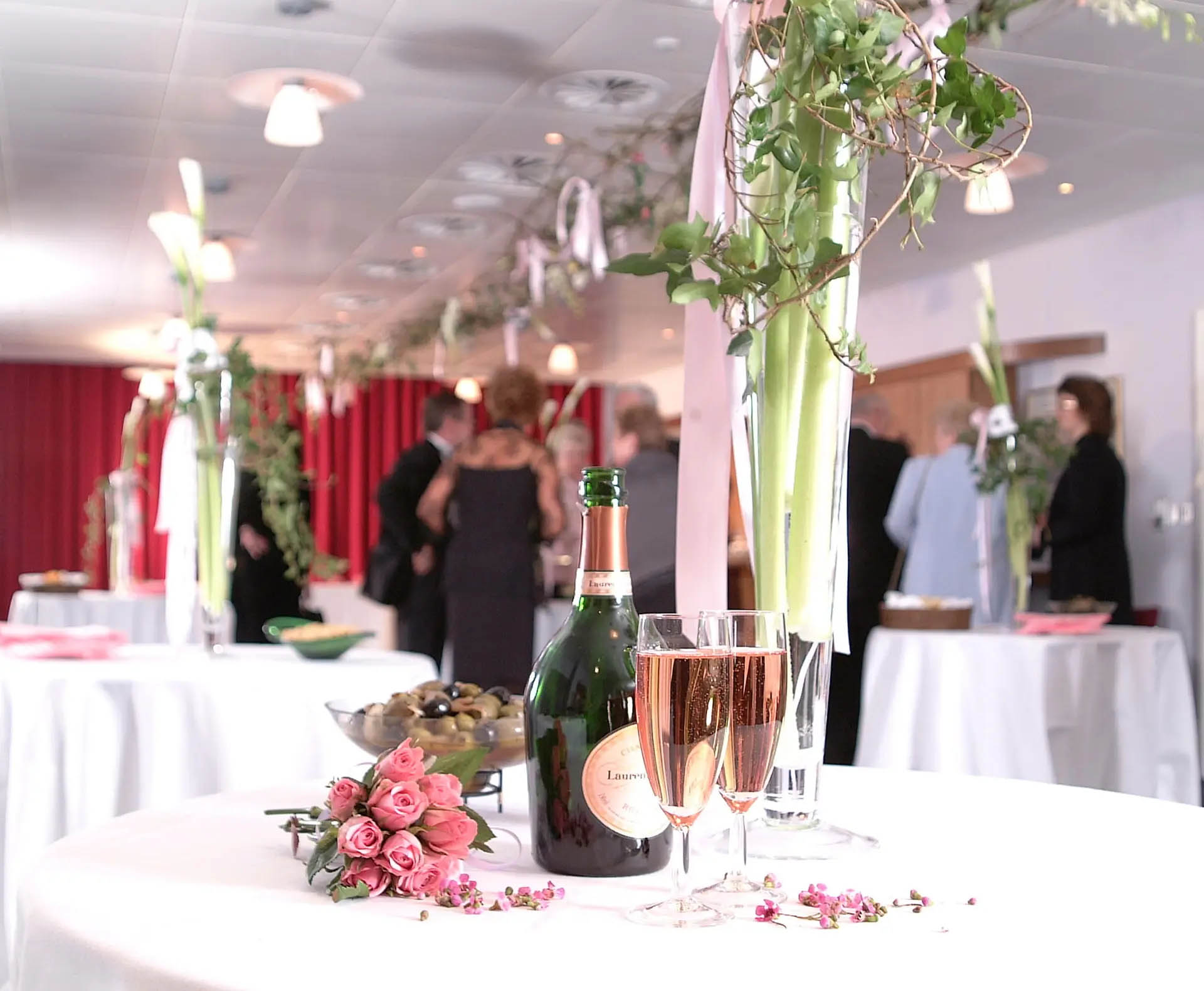
A restaurant launching a new menu might want to concentrate on its signature dishes, while a hotel could benefit more from photography of its rooms, dining areas and facilities. A food producer might need product images for packaging or online sales, and a pub could be looking to capture the atmosphere of its bar or outdoor space.
Once the intended use and budget have been discussed, Darren can advise on what’s achievable and how best to use the time available. He also encourages clients to think about the style they’re looking for and how they want to differentiate themselves from competitors.
One aspect of the Dpix approach I found particularly interesting is the opportunity for clients to see photographs during a shoot. For more controlled sessions, Darren can connect his camera directly to a laptop, allowing the business owner or marketing team to view the images as they’re being captured.
This means they can discuss what’s working, suggest adjustments and have some input into the finished results, rather than simply waiting until afterwards to discover what has been photographed.
Darren is keen to manage expectations from the outset, particularly when it comes to budgets and deliverables, although he also points out that sometimes more can be achieved during a session than a client might initially expect.
Keeping photography relevant as your business evolves
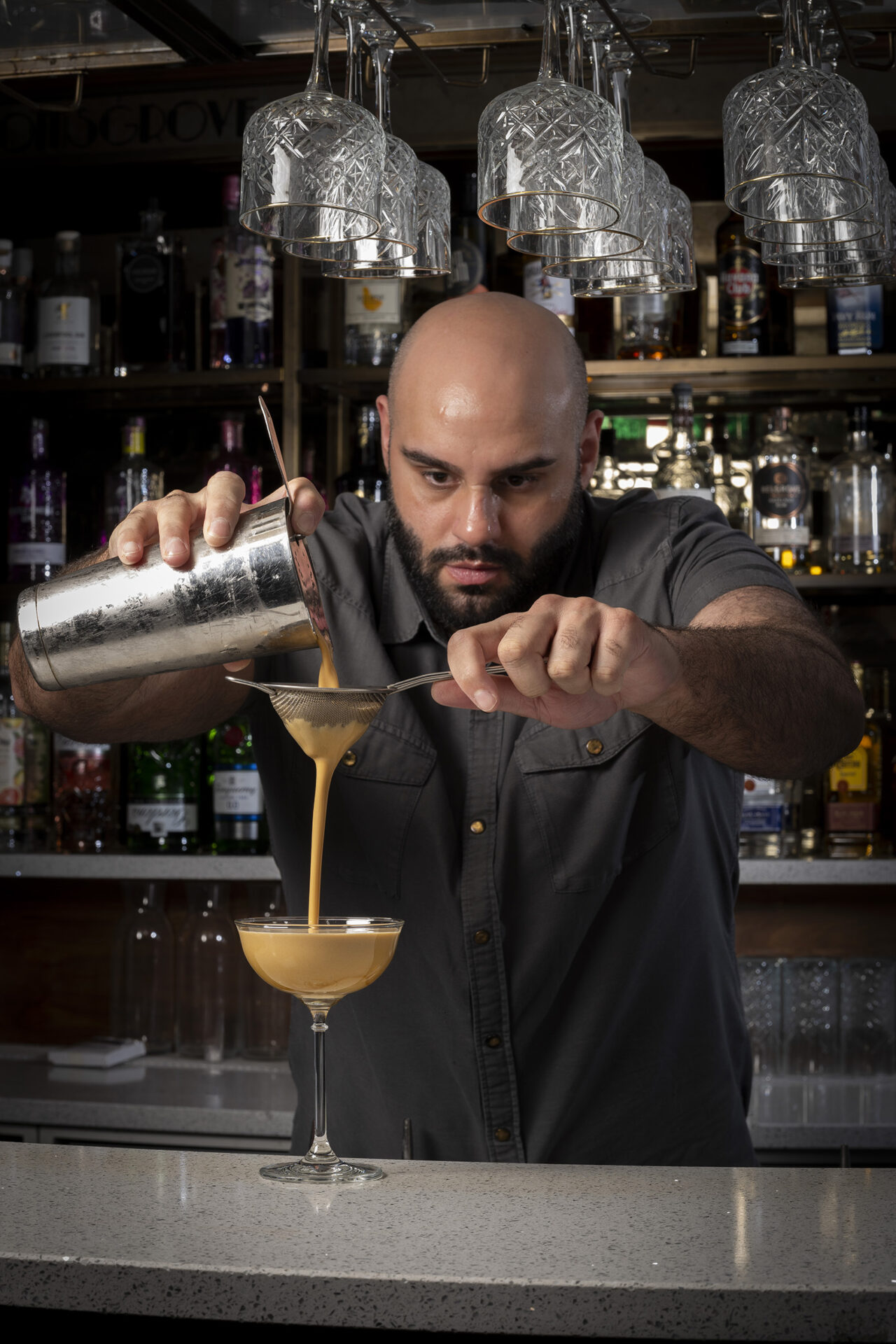
One of the challenges for hospitality businesses is that things rarely stay the same for very long. Menus change with the seasons, new dishes are introduced, staff join the team and venues update their interiors or develop new areas of the business.
Yet it’s not unusual to come across websites or marketing materials that are still using photographs taken several years ago, sometimes showing dishes that are no longer available or interiors that have since changed.
It’s something Darren is particularly interested in addressing through longer-term relationships with hospitality clients. Looking ahead, he’d like to work with more pubs and restaurants on a regular basis, potentially arranging a half-day shoot each month to capture new menus, drinks, staff, signage and behind-the-scenes activity.
Rather than treating photography as something that only needs updating when a business launches a new website or undertakes a major refurbishment, it could become part of its ongoing marketing activity.
Is your photography doing your business justice?
Having spent nearly ten years visiting and writing about hospitality businesses, I’ve seen how much thought, work and investment goes into creating the experiences customers enjoy. From developing menus and choosing ingredients to designing dining spaces and building a team, there are so many details involved in running a successful restaurant, pub, café or hotel.
Yet the photographs used to present that work don’t always receive the same attention.
That doesn’t mean every image needs to be professionally taken, and I certainly wouldn’t suggest that businesses should abandon the everyday photographs and videos they capture themselves. Some of the most interesting hospitality content comes from spontaneous moments, whether it’s a chef preparing a dish, something happening behind the scenes or a busy restaurant during service.
But I do think it’s worth occasionally looking at your website, menus and social media through the eyes of someone who has never visited before. Would the photographs give them an accurate impression of what to expect? Do they reflect the personality of the business, the quality of the food and the atmosphere you’ve worked to create? And perhaps most importantly, would they make somebody want to visit?
Working with Dpix Creative Photography
Dpix Creative Photography is based in Worcestershire, just two miles from Junction 5 of the M5, and works with businesses across Worcestershire, Herefordshire, Gloucestershire, the West Midlands and nationwide.
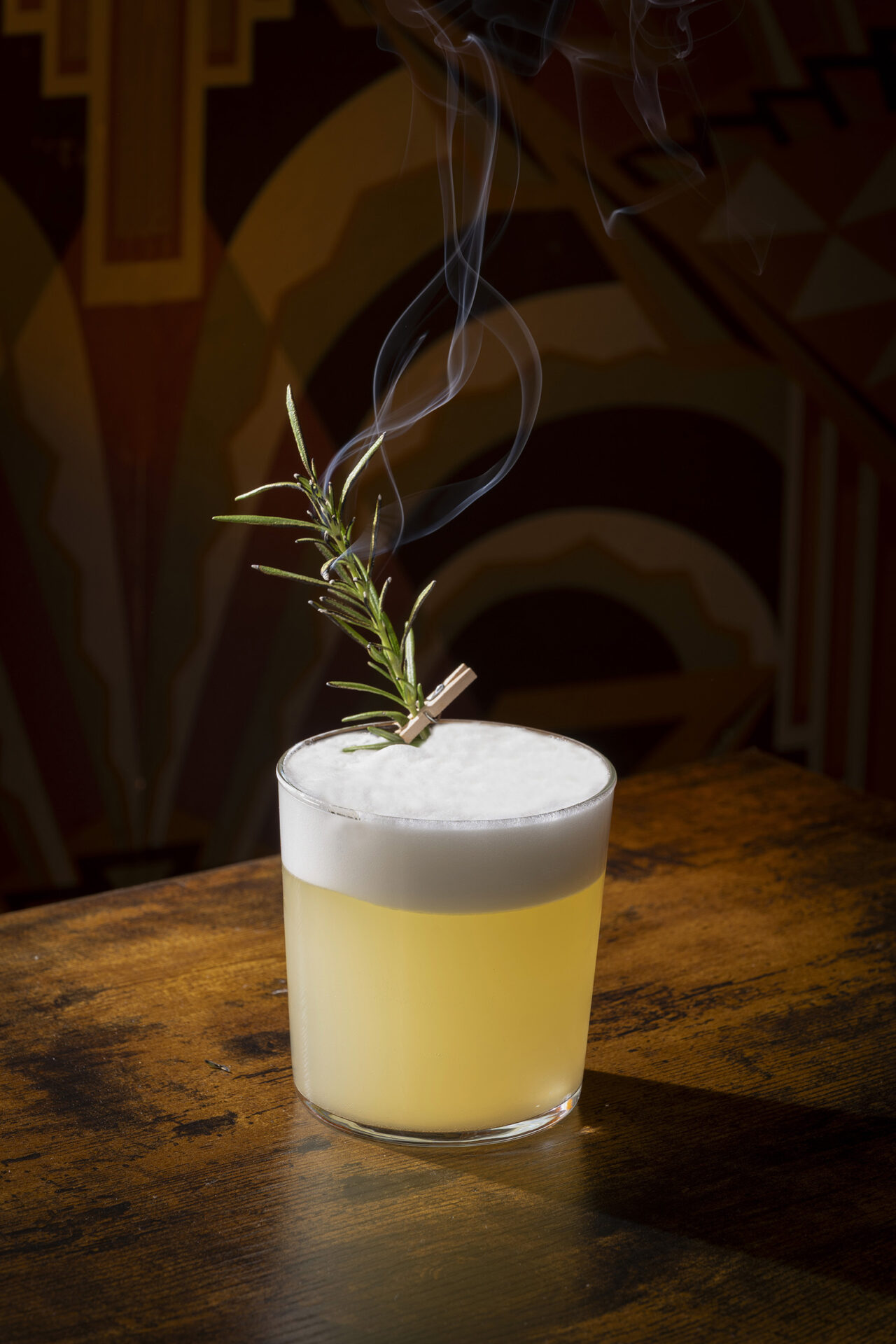
Darren and Julie provide a range of commercial photography services, including food and menu photography, product and packaging imagery, venue interiors, corporate portraits, team photography and marketing content. Shoots can take place at their fully equipped studio or on location, depending on the requirements of the business.
Exclusive photography packages for Pershore Patty Directory members
Dpix has introduced two photography packages exclusively for businesses listed in the Pershore Patty Food & Drink Directory, offering an additional hour of photography at no extra charge.
Package 1 – Three hours for the price of two | £300 + VAT
This package provides three hours of professional photography for the price of two. It could be suitable for a restaurant, pub or café looking to refresh its photography, capture new menu dishes or update the images used across its website and social media.
Package 2 – Five hours for the price of four | £500 + VAT
For businesses requiring a more comprehensive collection of images, this package provides five hours of professional photography for the price of four. The additional time could be used to photograph a wider range of dishes, drinks, interiors, staff and other aspects of the business, depending on what’s required.
Both packages can be tailored to individual requirements, with the photography brief and deliverables agreed before the shoot.
Standard editing is included in the photography service. If any images require more extensive editing beyond Dpix’s usual process, Darren will explain what’s involved and provide an additional quotation for approval before carrying out the work, so there are no unexpected charges.
How to enquire
Businesses interested in either package are encouraged to contact Darren and Julie initially by email, outlining what they’re hoping to achieve. This gives the team an opportunity to consider the requirements, make suggestions and arrange a follow-up conversation or potentially a visit to the premises if needed.
Email: mail@dpix.co.uk
Suggested email subject: PP Photo Enquiry
Telephone: 07973 401819
Website: https://www.dpix.co.uk/
The exclusive packages are available for one photography booking per Pershore Patty Food & Drink Directory member business. Prices exclude VAT, and any additional travel costs outside Dpix’s usual working area will be discussed and agreed in advance. All bookings are subject to availability.
For more information about Darren, Julie and their work, visit Dpix Creative Photography in the Pershore Patty Recommended Suppliers Directory.