There is often far more to hospitality than guests ever see.
From the pressure of service and the challenge of sourcing great ingredients to the moments of relief when the final plate leaves the kitchen, much of what defines a restaurant happens behind the scenes.
In Tales from the Pass, we sit down with chefs and hospitality professionals from across the region to explore the realities of life in the industry. The stories, observations and experiences that rarely make it onto the menu, but shape every guest experience.
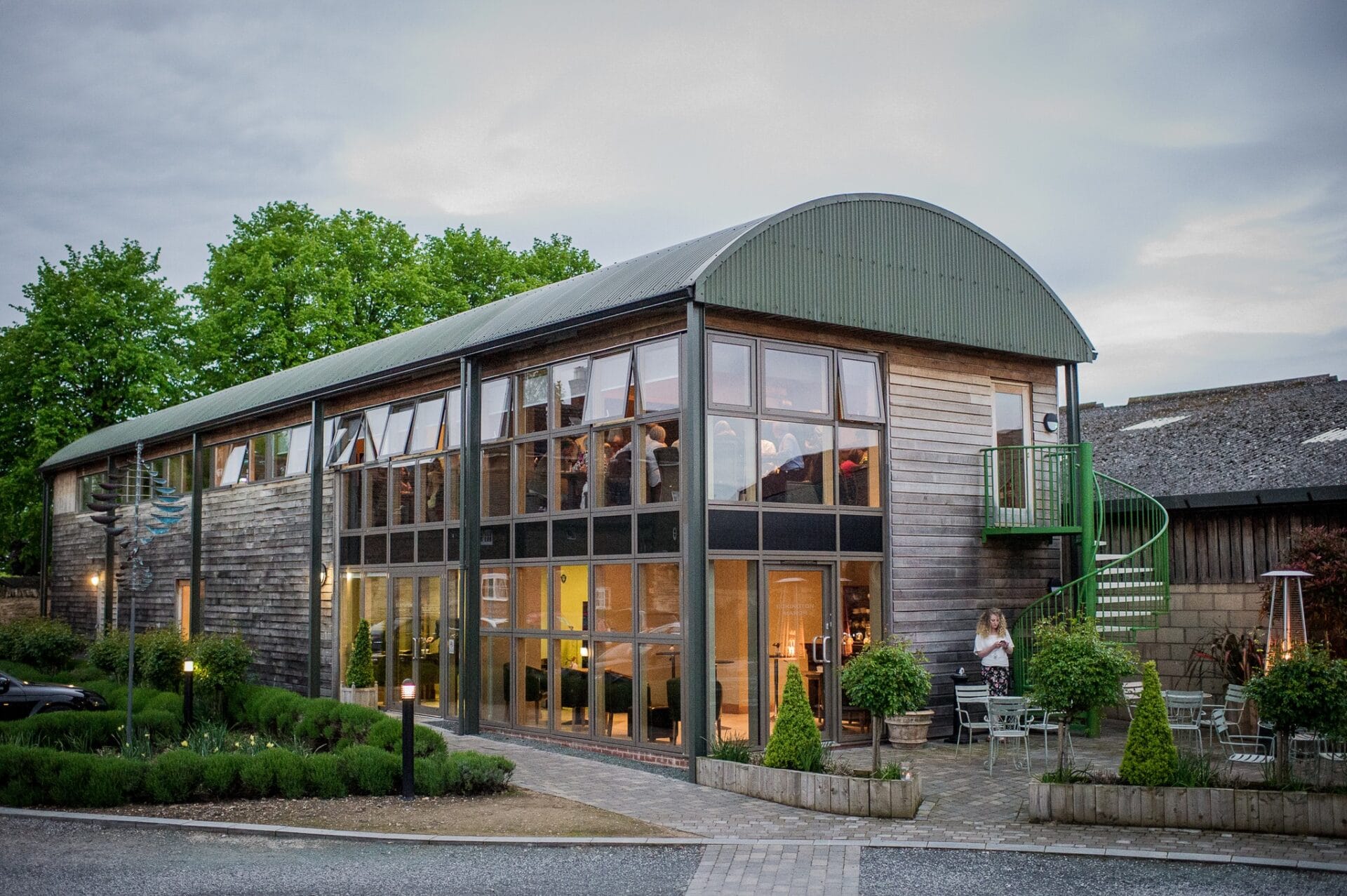
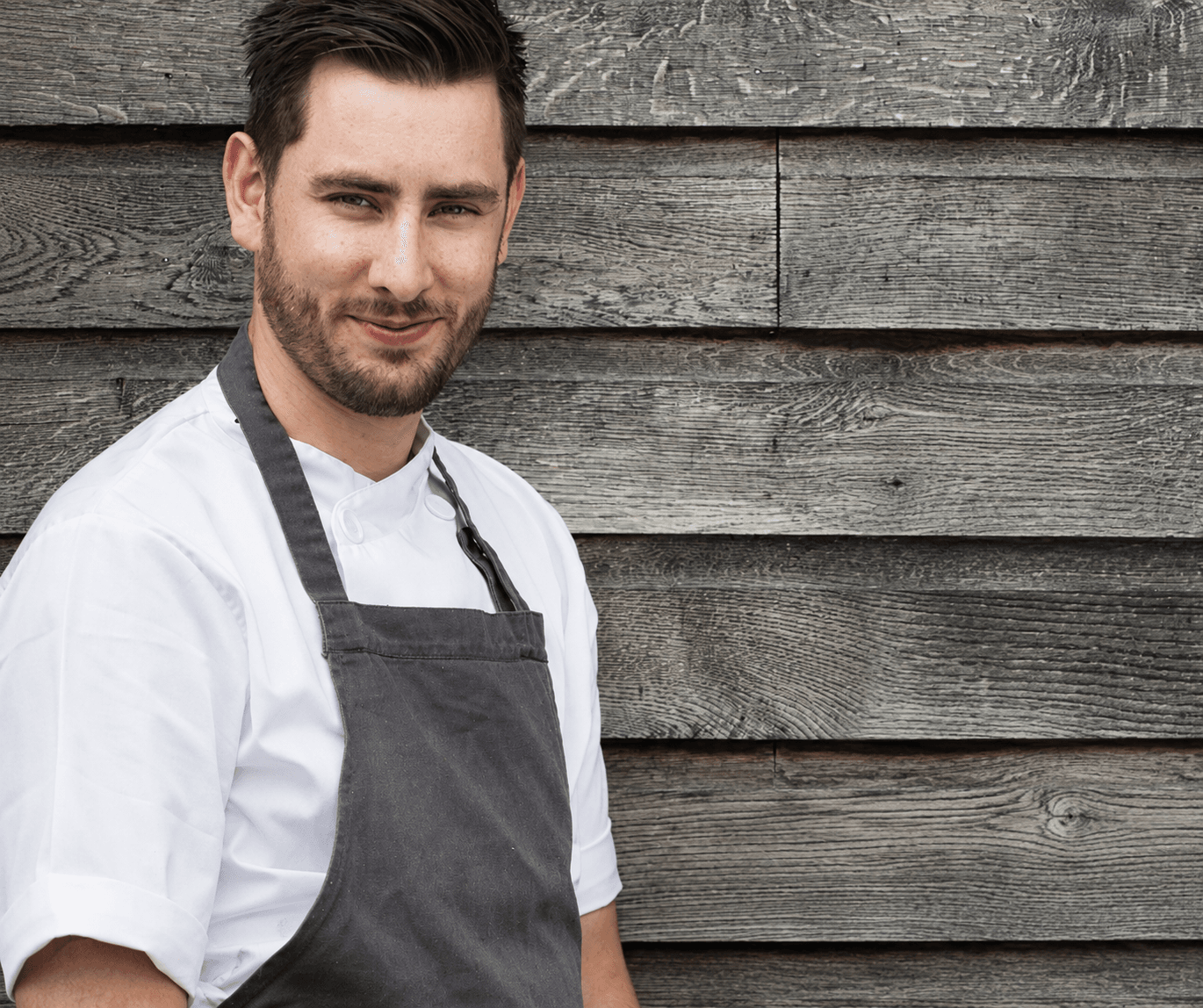
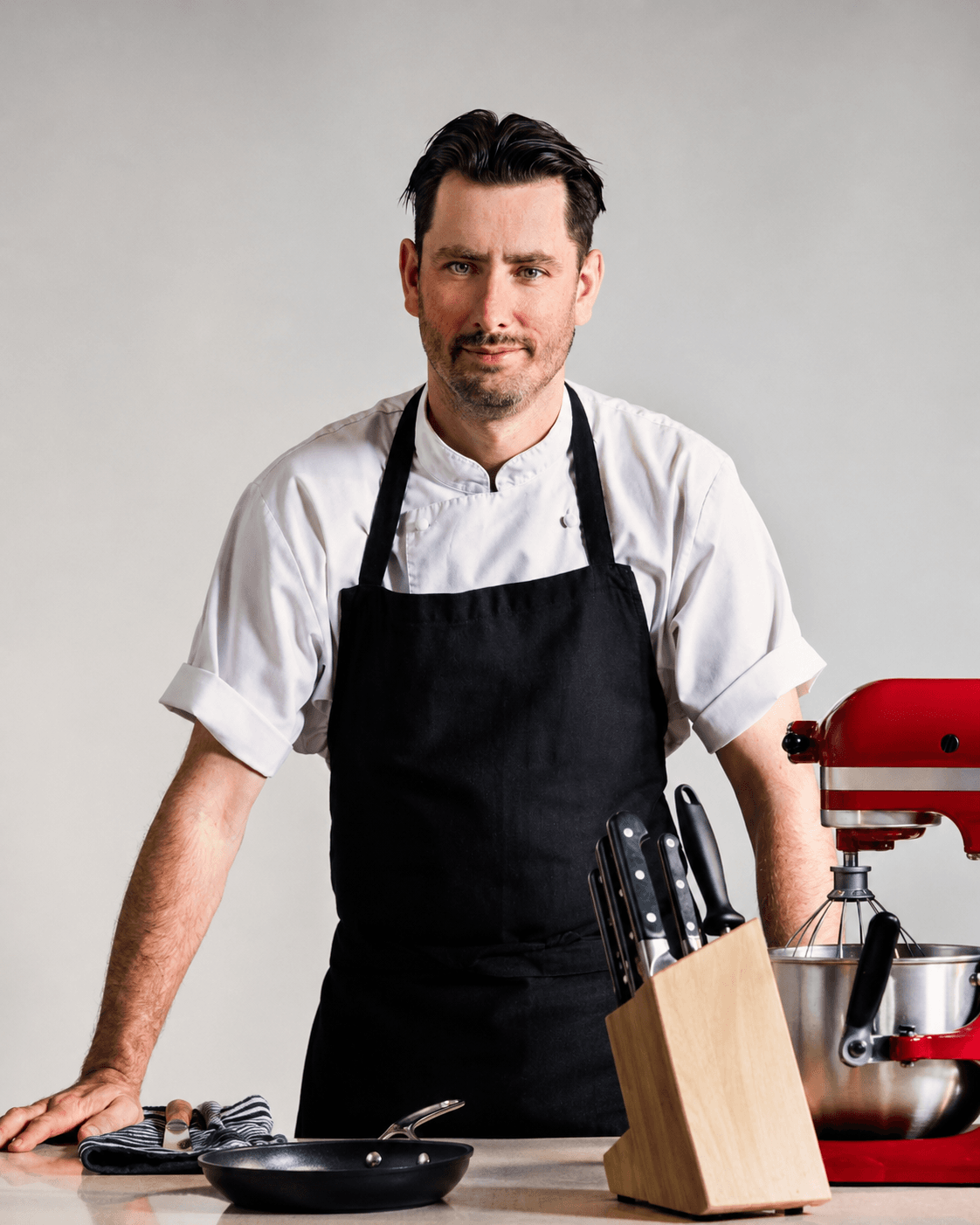
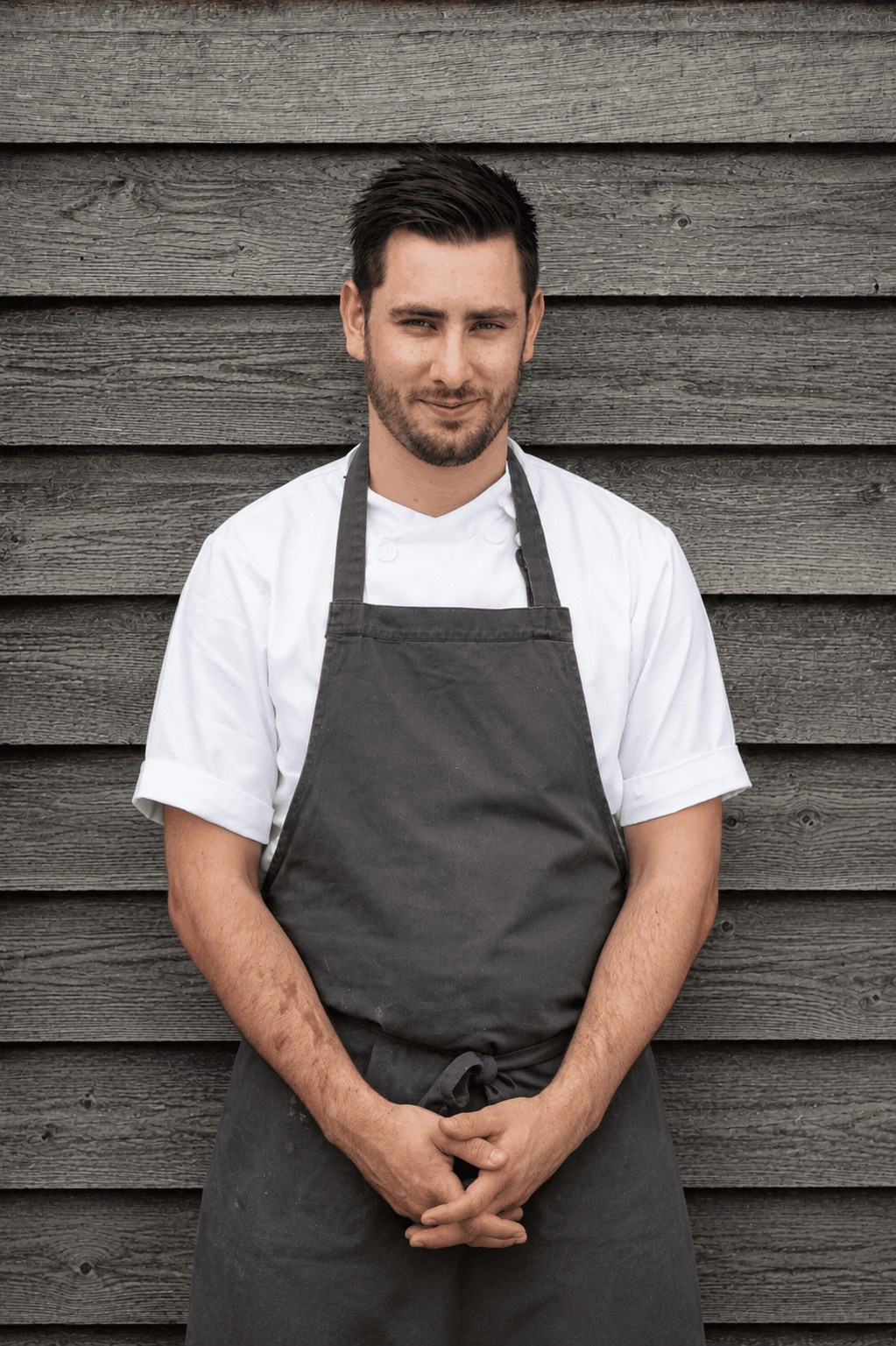
This time, we catch up with Mark Stinchcombe, Head Chef at Eckington Manor. Having returned to the Worcestershire venue after several years away, Mark reflects on how dining habits have changed, what makes a great kitchen team, and why preparation remains the foundation of every successful service.
There is a certain comfort in returning to familiar surroundings.
For Mark Stinchcombe, coming back to Eckington Manor has brought both familiarity and perspective. Having spent years developing his career in some of the country’s leading kitchens, his return has coincided with a period of change not only for the restaurant, but for the hospitality industry as a whole.
What has surprised him most isn’t necessarily the kitchen itself, but the way people now choose to dine.
“After COVID, people want to eat earlier and they aren’t necessarily having three courses.”
It’s a shift that many hospitality businesses have observed. Diners are often looking for a more relaxed experience, with flexibility and choice becoming increasingly important. Yet despite changes in dining habits, Mark believes the fundamentals of running a successful kitchen remain much the same.
“Running a kitchen is always the same. It’s about preparation, quality ingredients and making sure you are always ready.”
That mindset continues to shape the kitchen at Eckington Manor today.
Evolving the Food
While the principles remain unchanged, the food itself has evolved.
Mark describes the current style as simpler than in previous years, but no less considered.
“I think our cooking style has changed. We have an easier style of cooking. Still ingredient-led and flavour-driven.”
That focus on ingredients is a recurring theme throughout our conversation. Whether discussing menu development, suppliers or daily operations, the quality of produce remains central to every decision.
In fact, sourcing is one of the biggest challenges he faces.
“I think the most challenging part of the kitchen is making sure that the produce that comes through the door is the best we can possibly get.”
The reward comes when those ingredients are allowed to shine.
“I’m enjoying the food we are cooking at the moment, especially the fish dishes.”
The Reality Behind Service
For guests, service often begins when they arrive at the table. For the kitchen team, it starts many hours earlier.
“We are there throughout the day preparing, speaking to our suppliers, making sure we are ready for service, then cleaning down.”
Much of hospitality’s work happens long before the first plate leaves the pass. Preparation, organisation and communication often determine whether a service feels effortless or chaotic.
Interestingly, Mark says the first few tickets can reveal a lot about how the evening will unfold.
“As soon as we see the first few checks come in, we can see how the night is going to go. If we don’t get a check in before 7pm, we know it will be a fast service.”
It’s one of those subtle pieces of kitchen intuition that guests rarely notice but experienced chefs understand instinctively.
Tales from the Pass
Like many chefs, some of Mark’s strongest memories come from moments when things didn’t quite go to plan.
One that still stands out came immediately after lockdown restrictions eased.
“It was straight after COVID and we had the Eat Out to Help Out scheme. I think a few of the chefs had forgotten how to cook in lockdown.”
Anyone working in hospitality during that period will remember the unprecedented demand that followed months of closures.
Another memorable service came when a large party arrived unexpectedly just as lunch was winding down.
“I worked in a restaurant before coming back to Eckington Manor and a table of 15 rocked up at two o’clock just as we were finishing lunch and ordered one of everything on the menu. It was 20 minutes of carnage.”
While many chefs can recall stories of disasters and near misses, Mark believes preparation is the best defence against most problems.
“I think we are always so prepared that we try to eliminate something going wrong.”
How Dining Has Changed
Having worked in the industry for many years, Mark has seen significant shifts in how people eat.
“There are so many casual dining places doing amazing things. When I was growing up, it was all about fine dining.”
That democratisation of quality food has arguably been one of hospitality’s biggest transformations. Great cooking is no longer confined to white tablecloth restaurants. Guests now expect creativity, quality and consistency across every level of dining.
He has also noticed a change in what diners actually want.
“I don’t think people want to eat as much anymore. A lot of small plate places work well and brunch spots.”
The trend towards sharing plates, flexible menus and more casual formats continues to reshape restaurant culture across the UK.
Building Great Kitchens
When asked what separates a good kitchen from a great one, Mark’s answer is immediate.
“It’s definitely down to the staff. And great produce.”
While guests often focus on chefs, menus and awards, successful kitchens are built on teams. Consistency, trust and shared standards are what allow restaurants to perform day after day.
It’s also why one of the moments he values most comes right at the end of service.
“The last mains going out.”
After hours of preparation, concentration and execution, it represents a moment of collective achievement.
The Reality of Hospitality
For those outside the industry, Mark believes the biggest surprise would be the level of organisation required.
“The organisation, speed and precision you have to work at in a kitchen to get everything ready for service.”
It is often easy to focus on the creativity of cooking while overlooking the discipline that sits behind it.
Even after years in the profession, that pursuit of improvement continues to drive him.
“Still learning different techniques and new produce.”
And for anyone considering a career in hospitality?
“It’s so enjoyable with incredible perks. Long hours, but if your passion shows, then it can be the best job in the world.”
Quickfire
One moment during service that makes everything worthwhile?
The last mains going out.
One thing that instantly tells you a service is going to go well?
Consistency.
One thing that instantly tells you it might not?
A slow start.
A detail diners often don’t notice, but you always do?
Making sure everything is perfect by tasting everything before service.
One thing every great kitchen team has?
Great staff.
One small thing guests do that really matters?
Keep coming back.
For Mark Stinchcombe, hospitality remains rooted in the same principles that first attracted him to the industry: great ingredients, careful preparation and a team working together towards a common goal. The menus may evolve, and dining habits may change, but the satisfaction of delivering a successful service remains exactly the same.