
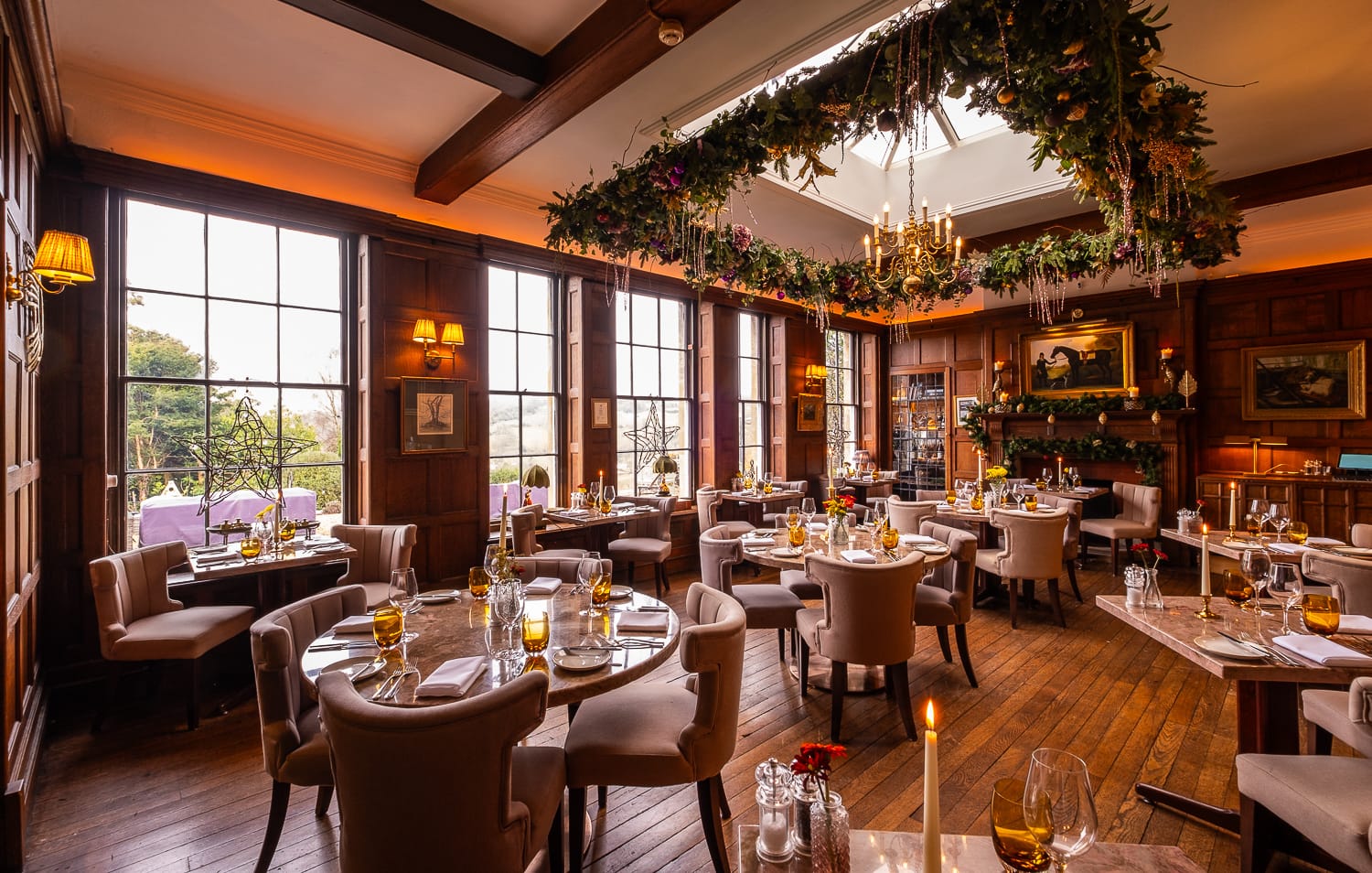
Photo credit: Burleigh Court Cotswolds | Hotel and Restaurant
The UK hospitality sector is facing fresh financial pressures as two major tax changes come into effect from April 1. The increase in National Insurance contributions (NICs) and the reduction in Retail, Hospitality, and Leisure Business Rates Relief Reduction could make it even tougher for restaurants, cafés, pubs, and hotels to manage rising costs.
What’s Changing?
• National Insurance Contributions (NICs) Increase
Employers will now pay 15% NICs for employees earning over £5,000 per year, up from 13.8%. This means higher employment costs for businesses that are already struggling with wage increases, energy bills, and supply chain inflation.
• Business Rates Relief Cut
The Retail, Hospitality, and Leisure Business Rates Relief is being reduced from 75% to 40%, significantly increasing the tax burden on businesses operating in high-cost locations.
How Will This Impact the Hospitality Sector?
Higher Staffing Costs
Hospitality businesses, which are often labour-intensive, will feel the impact of increased NICs more than most. For employers with large teams, this could add thousands of pounds to annual costs. Some businesses may consider reducing hours, delaying recruitment, or even increasing menu prices to compensate.
Business Rate Pressures
A 40% discount on business rates is still helpful, but it’s a sharp drop from 75%. For businesses in prime locations, this could mean thousands more in overhead costs each year. Some independent restaurants and pubs that were just about managing with the relief may find it harder to stay afloat.
Increased Menu Prices?
Many restaurants and pubs have already raised prices due to rising food and energy costs. With additional tax burdens, further price hikes could be inevitable, making it harder for customers to justify dining out.
Reduced Investment in Staff & Experience
Many restaurants and bars pride themselves on great customer service, but with increasing costs, businesses might struggle to pay competitive wages or invest in training. This could affect service quality and staff retention in an industry already battling recruitment challenges.
What Can Hospitality Businesses Do?
• Review pricing strategies – While price increases are unpopular, businesses may need to assess their margins to remain viable.
• Optimise staff schedules – Efficient rota planning can help manage wage costs while maintaining service quality.
• Lobby for support – Industry groups like UKHospitality are calling for further government assistance. Businesses can get involved by writing to local MPs or joining industry campaigns.
• Seek alternative revenue streams – More venues may explore takeaway, meal kits, or hosting paid events to bring in additional income.
Final Thoughts
With the hospitality sector still recovering from the impacts of the pandemic and cost-of-living crisis, these changes add further strain to an already struggling industry. As customers, being mindful of these pressures, and continuing to support independent restaurants, cafés, and pubs can make a real difference in keeping local businesses alive.
One of the best ways to show your support is by dining at or ordering from the fantastic food and drink businesses listed in The Food & Drink Directory. These are predominantly local, independent venues that rely on community support to thrive. Whether it’s booking a table, grabbing a takeaway, or even just spreading the word, every little helps to keep these businesses going through challenging times. Explore the directory today and discover great places to eat and drink across Herefordshire, Worcestershire, Gloucestershire and beyond.
Read more HERE for guidance on Business Rates Relief: 2025/26 Retail, Hospitality and Leisure Scheme